From water treatment plants to pharmaceutical industries and from oil refineries to food processing units, industrial facilities across sectors are undergoing rapid transformation. In 2025, the focus is no longer just on “building a plant” — it’s about building a smarter, safer, and scalable plant that aligns with modern performance standards, digital workflows, and sustainability goals.
Here’s a look at the top plant engineering services that are shaping the future of plant infrastructure – and are important at every stage of a plant’s lifecycle:
1. 3D Plant Modeling and Plant Design Layout
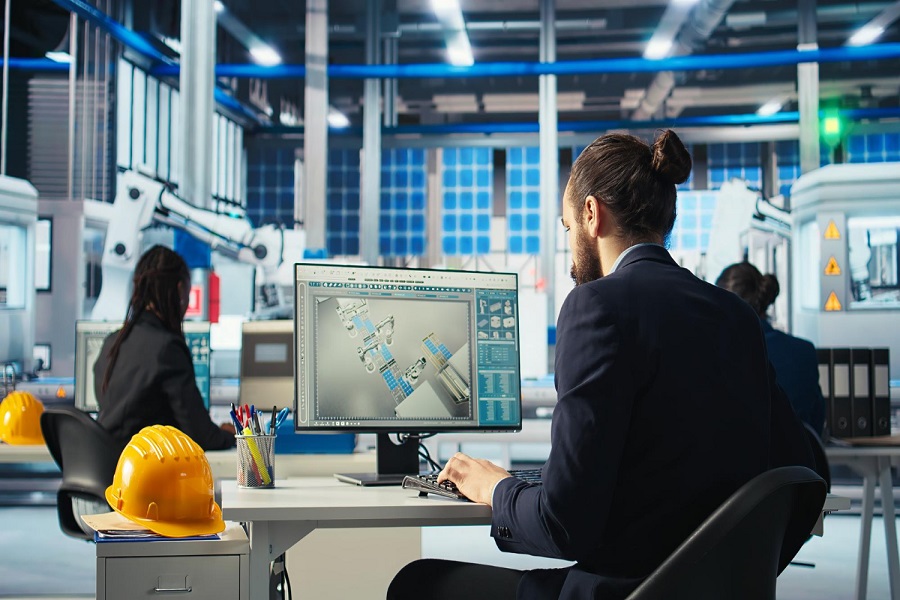
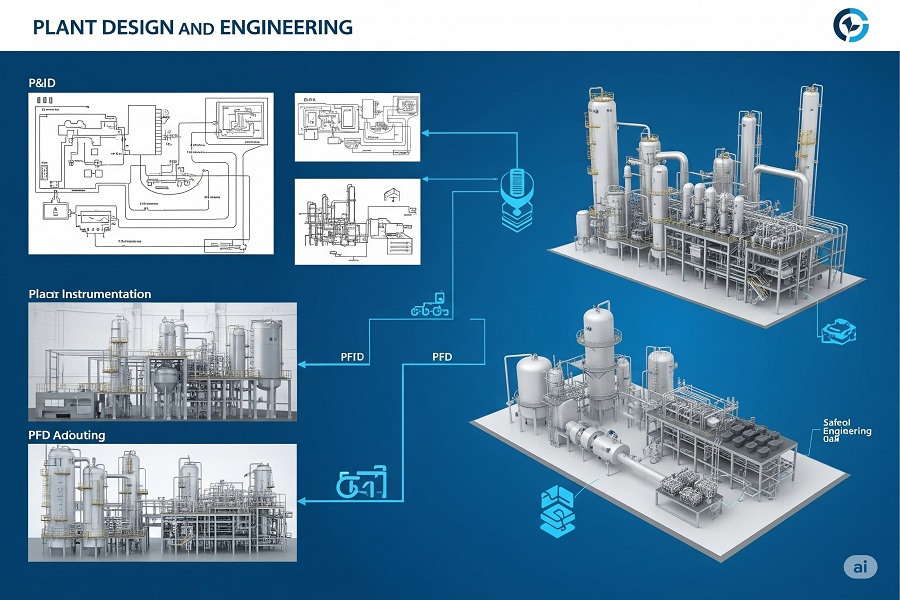
3D plant modeling has now become the gold standard in plant engineering. Using tools like AutoCAD Plant 3D, AVEVA E3D, and SmartPlant 3D, engineers can now design virtual replicas of entire facilities — with complete piping systems, equipment, electrical layouts, and structural elements.
3D plant modeling has tremendous benefits over 2D drafting. It helps engineers simulate real-world scenarios, test layouts before construction, and make changes without the cost of physical rework. This, in turn,
- Minimizes clashes during construction
- Improves design accuracy and documentation
- Enhances collaboration between engineering teams and contractors
2. Piping & Instrumentation Diagram (P&ID) Development
P&IDs are the backbone of plant design. They show exactly how the piping, equipment, and control systems all connect and work together. Engineers use tools like AutoCAD Plant 3D and AVEVA Diagrams to create intelligent, data-rich P&IDs that automatically catch errors and highlight issues as you go. That means fewer mistakes and a faster path to getting the project done right the first time.
3. Equipment & Piping Layout Design
Efficient piping plot plan design is important for the error-free performance of the plant. A well-thought-out piping layout design prevents errors, helps avoid costly mistakes, and reduces downtime. This helps improve the way your plant functions.
SmartPlant 3D and AutoCAD Plant3D are the most popular tools that engineers use to visualize different layout options. A virtual layout design helps them spot potential clashes early and make sure pipelines are routed correctly with the right supports. When done right, layout planning saves time, reduces rework, and ensures that everything fits and functions exactly the way it should.
4. Pipe Stress Analysis and Flexibility Engineering
As plants become more complex and operate under higher pressures, pipes undergo continuous stress and strain. Analyzing the impact of stress on the operational functionality of the pipes is important. Tools like CAESAR II help engineers assess how piping systems will respond to thermal expansion, support placement, and vibrations.
Pipe stress analysis ensures that the system can handle real-world conditions without failure.
5. Point Cloud to CAD Conversion Services
Many plants today are decades old. They run with outdated documentation that is of little help when a problem arises. Laser scanning and point cloud conversion help engineers capture detailed 3D scans of existing facilities. They convert them into editable CAD models that can be used to create accurate as-built documentation. This is incredibly useful for retrofit projects that demand renovation or expansion.
6. Construction Documentation and GA Drawing Preparation
General Arrangement (GA) drawings are essential in plant design and construction. They act as a blueprint and give everyone a big-picture view of how everything fits together. These drawings help coordinate between disciplines, avoid clashes during construction, and ensure that all parts of the design align properly.
They usually include:
- The position and orientation of equipment and pipelines
- Elevations and dimensions
- Space clearances for maintenance and safety
- Reference tags for detailed component drawings
GA drawings are typically created during the early design phase and refined throughout the project. Today, they’re often generated from 3D models, which makes updates faster and more accurate.
7. Integration with Digital Twins Technology
With the rise of Industry 4.0, plant design services and digital twin technology work hand in hand to give clients real-time visibility into plant operations. They can predict maintenance needs before problems occur and build a plant that evolves with your operational needs.
Advantages of Modern Plant Engineering Services Across Industries
Every industry comes with its own challenges, regulations, and goals. That’s why, plant engineering services aren’t one-size-fits-all. That’s where tailored engineering services make a real difference. Here’s how different sectors benefit:
- Oil & Gas: From offshore platforms to refineries, plant engineering services help plant owners reduce operational risks and improve asset longevity.
- Chemical & Petrochemical: These industries often handle hazardous materials. That’s why, complete control over pipes, networks, and safety systems is extremely important.
Plant engineering services help in proper plot plan drawing and equipment selection. They facilitate operational planning and ensure optimized workflows that minimize downtime and ensure safe handling of chemicals.
- Power Generation: Power plants need to operate 24/7. By designing flexible piping systems and analyzing how heat affects materials over time, plant engineers make sure everything runs smoothly. They also integrate advanced monitoring tools and smart layouts to catch issues before they become problems.
The result? Efficient power generation with fewer outages and plant performance issues.
- Pharmaceuticals: In pharma, regulatory compliance is top priority. Plant engineering services ensure accurate layouts, correct equipment integration, and precise utility planning to meet the production demand while maintaining quality standards.
- Water Treatment & Waste Management: Plant engineering plays a vital role in designing efficient water treatment facilities. From pump station layouts to piping and support integration, plant engineering promotes long-term operational efficiency.
Why Should You Consider Outsourcing Plant Design Services?
Want to design a modern facility that’s built to last? Consider outsourcing plant engineering services to professional experts and get a comprehensive range of services at a most competitive price range. Whether you’re building from the ground up or upgrading an existing plant, outsourced teams bring years of knowledge and professional expertise to custom-engineer your plant for performance, safety, and sustainability.
With the help of advanced tools and technology, they deliver smarter layouts, accelerated support and faster turnarounds — all while ensuring operational excellence. Partnering with them ensures:
- Access to multidisciplinary experts without hiring overhead
- Faster turnaround using global delivery models
- Compliance with local and international codes
- Flexible, scalable support, without the overhead of an in-house team
Need help? Partner with us for end-to-end plant design services and build your plant with confidence and professional expertise.